An independent agency behind your flood quoteCall (410) 650-6020
Baltimore

Flood insurance in Baltimore City: check your address

Flood coverage for Baltimore City homes is separate from homeowners insurance. The main risk here is tidal flooding near the harbor and flash flooding along the Jones Falls. Enter your address for a quote.

Baltimore-style row houses
Get a Quote

Cost, problems, options and next steps

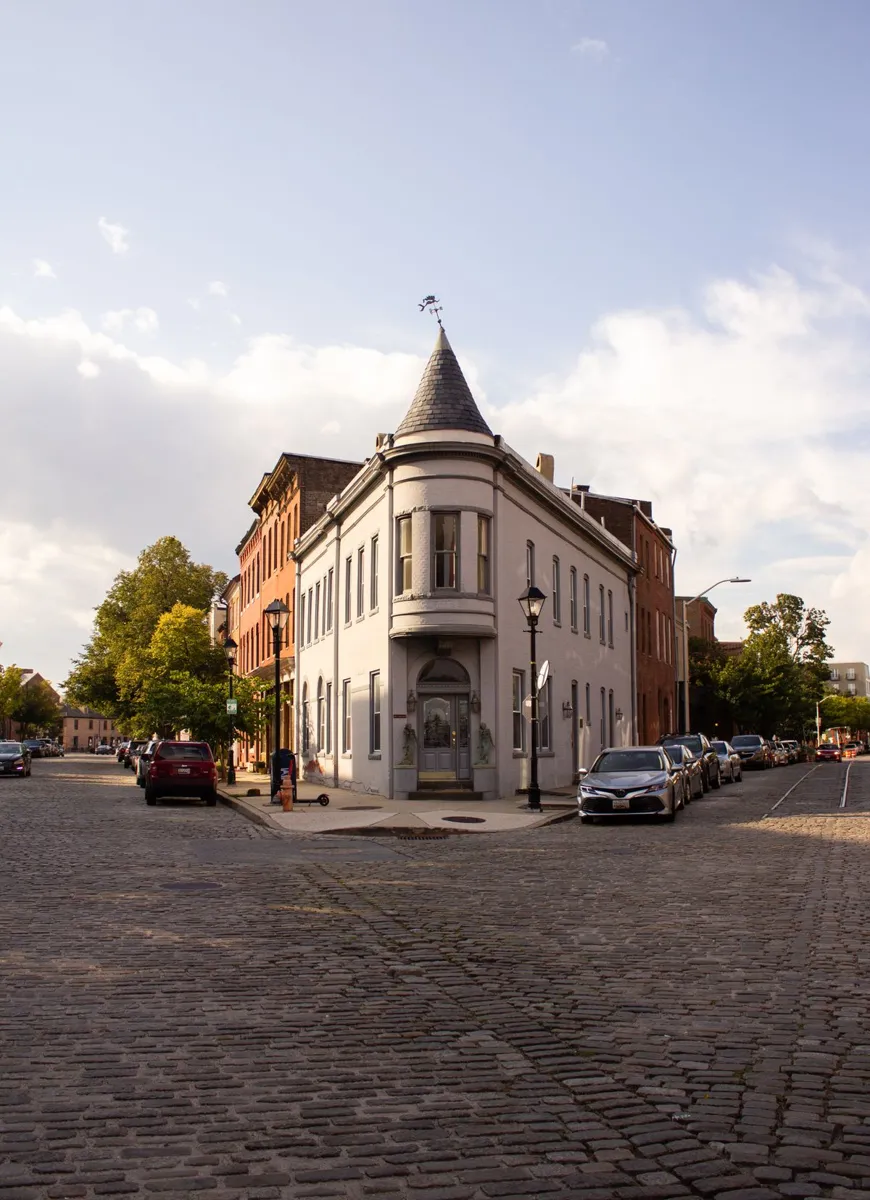
Historic corner building on a cobblestone street in Baltimore

How much is flood insurance in Baltimore City?

It varies by property and claims history: roughly $500 to $3,000 a year in a high-risk flood zone, and often around $250 a year outside one. Waterfront lots and older homes with low first floors run higher.

What can go wrong?

Buying after a storm is forecast (30-day wait), basements, under-insuring the building.

How do the options compare?

NFIP caps at $250,000 building / $100,000 contents and every lender accepts it. Private policies may offer higher limits or shorter waits; your lender decides if it accepts one.

How do I get started?

Look up your zone on the FEMA Flood Map / MD Flood Risk Application, then get a quote.

People also ask

Referral partners: Realtors, loan officers and contractors: when a client hits a flood requirement, send them here or send us the file. We'll handle the lender letter and keep you posted, so your client stays happy with you.

Flood Insurance in Baltimore City, MD

Use the quote form at the top of this page to compare flood coverage options for your Baltimore City property. Below is what local homeowners and buyers should know about flood risk here.

Baltimore's flood risk comes from two directions. Tidal water from the Patapsco River and Chesapeake Bay can push into the Inner Harbor, Fells Point, Canton, Harbor East and Locust Point. Inland, heavy rain can overwhelm the city's urban streams: the Jones Falls, Gwynns Falls and Herring Run. Much of the Jones Falls runs underground in a culvert beneath the city, and when that system backs up, streets and basements near the stream corridor can flood quickly.

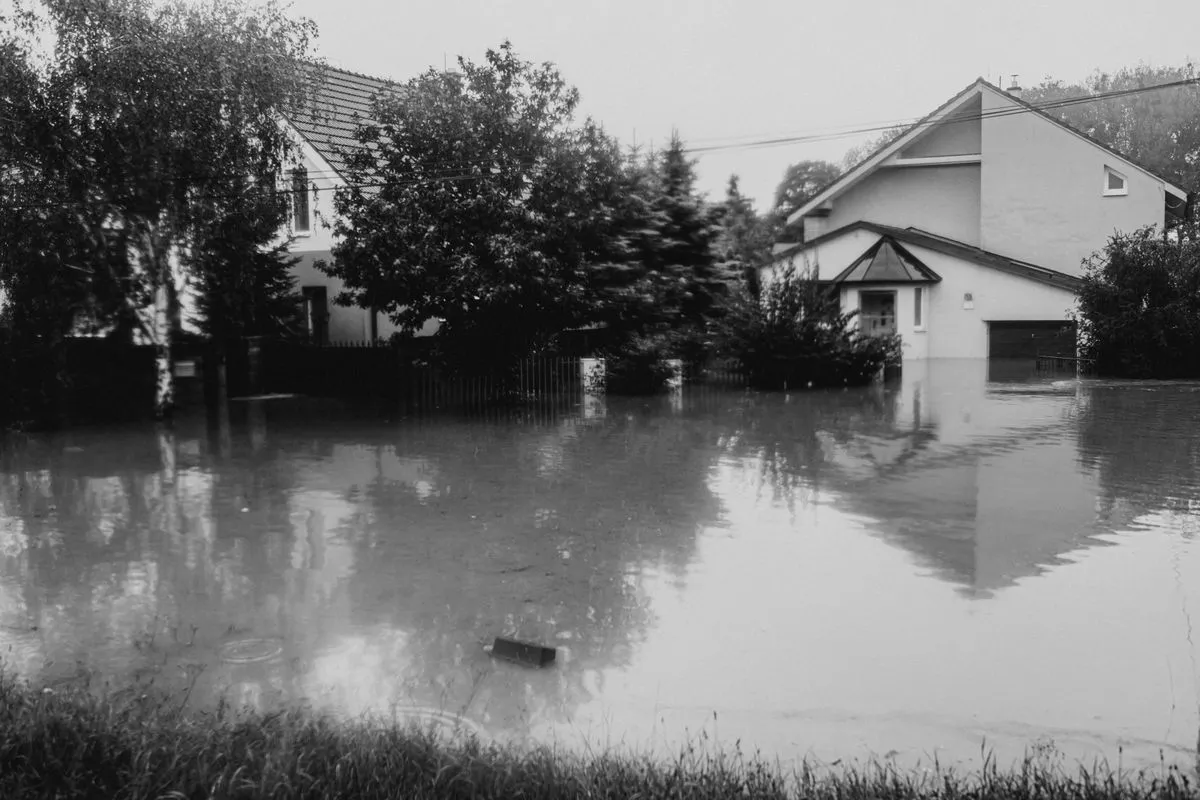
Flooded residential street

Flood history

Hurricane Isabel in September 2003 is the event most Baltimore homeowners remember. Its storm surge sent Bay water into Fells Point, Canton and the Inner Harbor promenade, flooding streets, basements and ground-floor businesses. The NOAA tide gauge at Fort McHenry (station 8574680) recorded one of the highest water levels in its history during that storm. Since then, NOAA has also documented more frequent high-tide "nuisance" flooding at Baltimore as sea levels rise. Intense summer thunderstorms have caused repeated flash flooding along the Jones Falls Expressway corridor and in low-lying neighborhoods.

Laptop used to review a policy online

FEMA flood zones in Baltimore

FEMA's Flood Insurance Rate Maps (FIRMs) for Baltimore City show Special Flood Hazard Areas (Zone AE) along the harbor waterfront and along the Jones Falls, Gwynns Falls and Herring Run stream valleys. Most of the city is Zone X (moderate or minimal risk). Zone X does not mean no risk: FEMA reports that a large share of NFIP claims come from properties outside high-risk zones. You can look up any address on the FEMA Flood Map Service Center or Maryland's Flood Risk Application.

How much does flood insurance cost?

What does flood insurance cost? It varies by property and claims history. In a high-risk flood zone, premiums run roughly $500 to $3,000 a year. Outside one, they are often around $250 a year. Your quote is priced for your building, not an average.

NFIP vs private flood insurance

The National Flood Insurance Program (NFIP), managed by FEMA, offers building coverage up to $250,000 and contents coverage up to $100,000 for homes. NFIP rates use FEMA's Risk Rating 2.0 method, which looks at each property's own flood risk, not just its zone. Private flood insurance is another option. Depending on the property, it may offer higher limits, coverage for additional living expenses, or different basement and contents terms. Lenders must accept private policies that meet federal requirements. We can compare NFIP and private options for Baltimore City properties side by side.

The 30-day waiting period

New NFIP policies generally take effect 30 days after purchase. There are exceptions: coverage tied to a loan closing or loan change can take effect at closing, and some policies bought after a flood map change can qualify for a shorter wait. Private flood waiting periods vary by carrier. Don't wait until a storm is in the forecast. A policy bought then likely won't be active in time.

FAQ: Flood insurance in Baltimore City

Is flood damage covered by my homeowners policy?

No. Standard homeowners policies exclude flood. You need a separate NFIP or private flood policy.

Do I need flood insurance if I'm not in a high-risk zone?

Lenders usually require it only in Special Flood Hazard Areas (Zones A/AE/V/VE). Still, many flood claims come from moderate- and low-risk zones, and coverage in Zone X is often less expensive.

How do I find my flood zone?

Enter your address at the FEMA Flood Map Service Center (msc.fema.gov) or Maryland's Flood Risk Application (mdfloodmaps.net).

Does an Elevation Certificate help?

It can. It documents your building's elevation compared with the base flood elevation and may affect pricing. Check with your county's floodplain office.

How do I get a quote?

Use the quote form at the top of this page, or call (410) 650-6020.

FloodQuotePro - 3655A Old Court Rd, Suite 13, Baltimore, MD 21208 - (410) 650-6020

Sources