What does it cost?
It varies by property and claims history: roughly $500 to $3,000 a year in a high-risk flood zone, and often around $250 a year outside one.
A plain-English guide to FEMA flood zones and what each one means for your coverage and price.

FEMA flood zones are map labels that show how likely a property is to flood. Each label, such as AE, VE or X, marks an area on a Flood Insurance Rate Map. The labels help lenders and insurers set requirements and pricing, but they describe averages for an area, not what will happen at your house.
FEMA publishes these maps for communities that take part in the National Flood Insurance Program (NFIP). You can look up an address at the FEMA Flood Map Service Center at msc.fema.gov. The map is the starting point for most flood insurance conversations, and it is the same map your mortgage lender will check.
A Special Flood Hazard Area, or SFHA, is the part of the map FEMA treats as high risk. It has at least a 1 percent chance of flooding in any given year. Zones that start with A or V are SFHAs. If your home is in one and you have a federally backed mortgage, flood insurance is required.
The 1 percent figure is often called the 100-year flood, which is misleading. It does not mean one flood every hundred years. It means a 1 in 100 chance every single year, and those odds add up across a 30-year mortgage. A property can be flooded two years in a row and still be on the right side of the statistics.
Zone AE is high risk, with a base flood elevation shown on the map. Zone VE is high risk along the coast, where waves add force. Zone X is moderate to low risk. AE and VE are Special Flood Hazard Areas and trigger the lender requirement. Zone X does not, but X properties can still flood.
AE areas sit along rivers, creeks and tidal waters. The map gives a base flood elevation, which is the height floodwater is expected to reach in a 1 percent annual chance flood. Your lowest floor compared with that height matters a great deal for pricing. An elevation certificate from a licensed surveyor shows exactly where you stand.
VE zones are coastal high-hazard areas exposed to wave action during storms. Building rules are stricter there, and premiums tend to reflect the added risk.
Zone X covers areas outside the high-risk zone. Some X areas are shaded, meaning moderate risk, such as land behind a levee or low-lying ground near a flood zone. Others are unshaded, meaning minimal risk. Policies for X properties usually cost less, but FEMA notes that a large share of flood claims come from outside high-risk areas.
Your lender must require flood insurance if your home is in a Special Flood Hazard Area and the loan is from a federally regulated or federally backed lender. Lenders check the flood map before closing and tell you if a policy is required. Outside those zones, a lender may still ask for coverage on its own.
The required amount is generally the lesser of the loan balance, the replacement value of the building, or the maximum available under the NFIP. For a single-family home, the NFIP maximum is $250,000 for the building and $100,000 for personal belongings. Contents coverage is optional with the NFIP, and lenders usually only care about the building.
If your lender says the coverage is not enough, or you owe more than the limit, that is a real gap. We can look at excess flood options with you, and we explain how in our flood insurance guide.
Often, yes. Standard homeowners insurance does not pay for flood damage, and heavy rain can flood a Zone X home when drains, streams or storm sewers overflow. Policies for lower-risk zones are usually less expensive, and a quote costs nothing, so it is worth seeing the number before deciding.
What does flood insurance cost? It varies by property and claims history. In a high-risk flood zone, premiums run roughly $500 to $3,000 a year. Outside one, they are often around $250 a year. Your quote is priced for your building, not an average.
Enter your address at the FEMA Flood Map Service Center, or ask us and we will look it up while we quote your policy. Your closing paperwork also lists the zone if you bought recently. A map result is useful, but a surveyor's elevation certificate is the document that can change your rate.
Not sure what any of this means for your house? Talk with an agent and we will go through the map with you, or call (410) 650-6020.
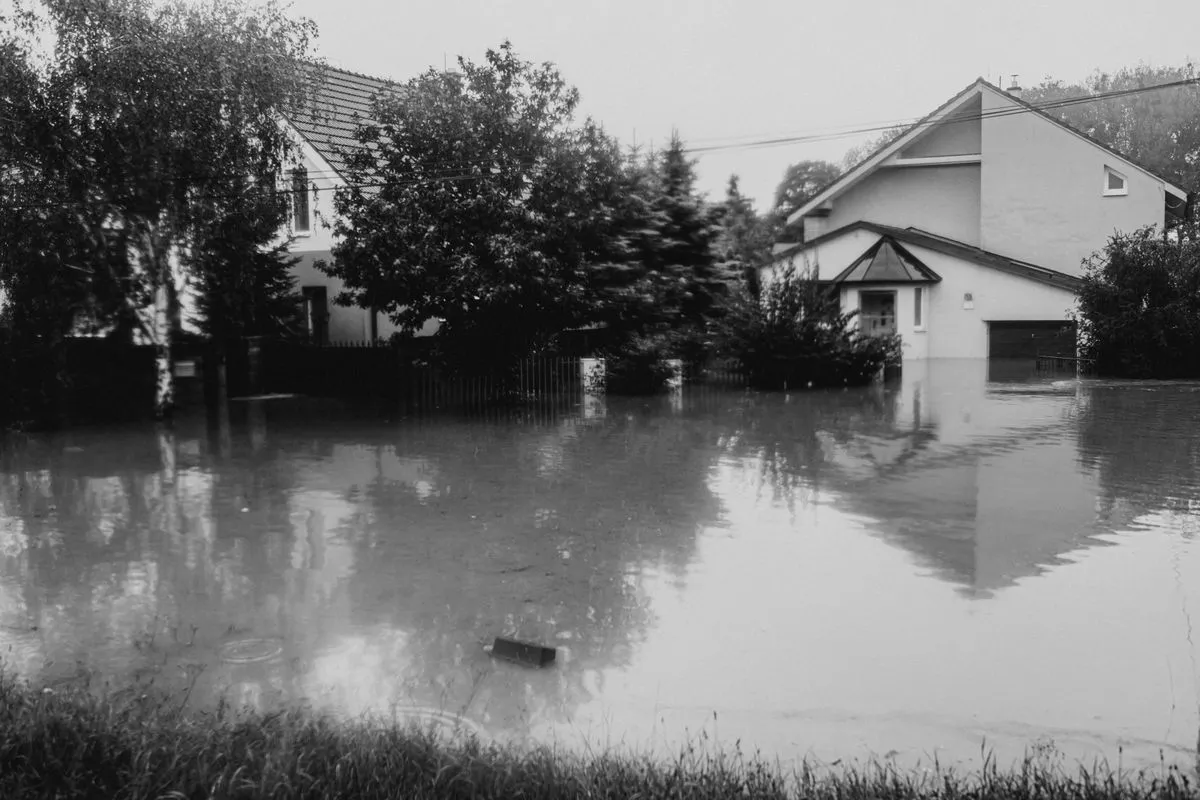
It varies by property and claims history: roughly $500 to $3,000 a year in a high-risk flood zone, and often around $250 a year outside one.
AE vs VE vs X.
Find your zone and ask for a map change (LOMA) if it looks wrong.
Referral partners: Realtors, loan officers and contractors: when a client hits a flood requirement, send them here or send us the file. We'll handle the lender letter and keep you posted, so your client stays happy with you.
Yes. FEMA updates maps when it completes new studies or when a community requests changes. Zone changes can add or remove the lender requirement. If you are newly mapped into a high-risk zone, special timing rules can apply to when a policy starts.
No. It means a 1 percent chance of that size flood in any year. Two such floods can happen close together.
Only if you add contents coverage. The NFIP offers up to $100,000 for the contents of a single-family home, separate from building coverage.
Sources: FEMA (fema.gov), FloodSmart.gov, and the NFIP, reviewed October 2026. Limits and rules can change, so we confirm current figures when we quote.